
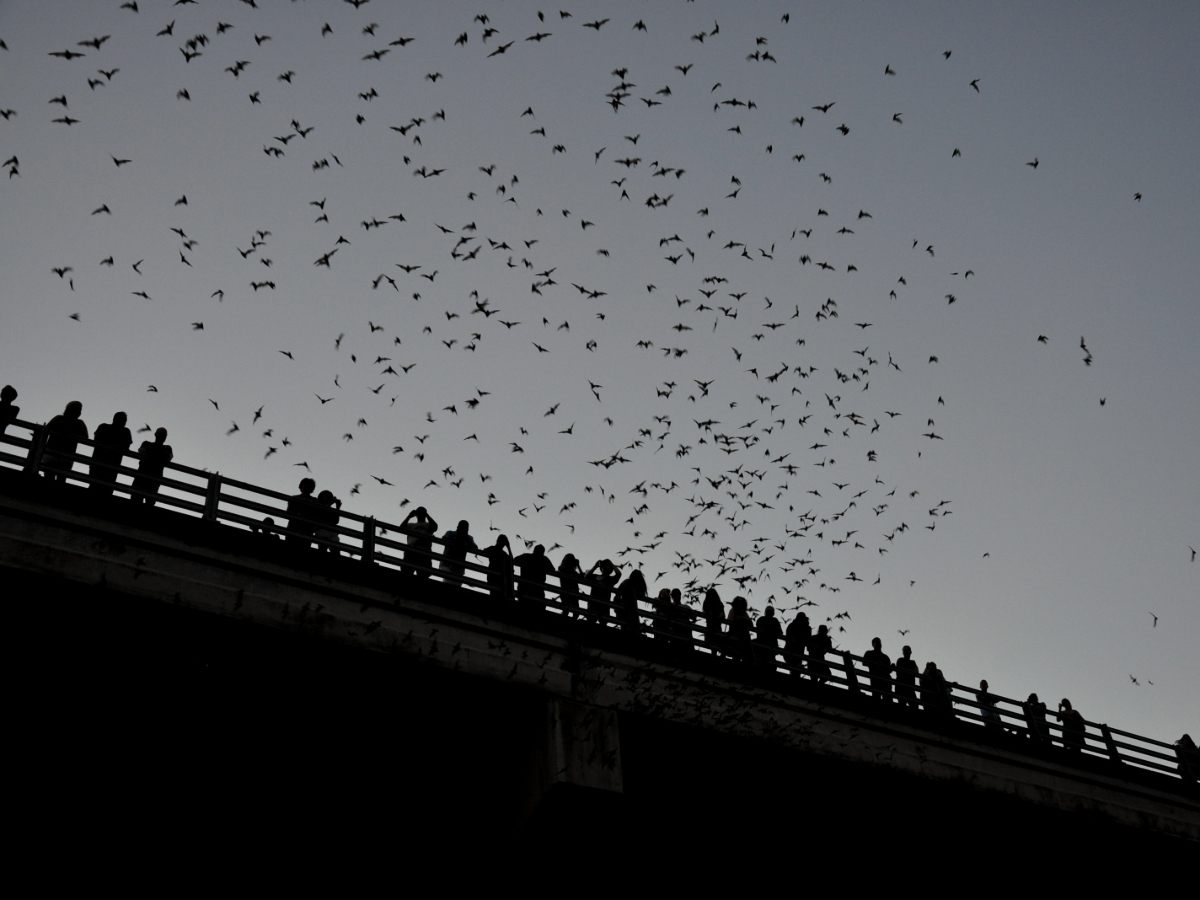
Every evening from March to October, hundreds gather near downtown Austin’s Congress Avenue Bridge to witness a truly incredible spectacle: over 1.5 million Mexican free-tailed bats taking flight at dusk. This captivating phenomenon attracts both locals and tourists, eager to see the largest urban bat colony in North America. The sight of so many bats swirling into the sky is not only visually stunning but also a reminder of the amazing wildlife that exists in urban environments. It’s completely free to watch, making it a must-see event for anyone visiting Austin. The Congress Avenue bats are a sight to behold, mesmerizing audiences with their synchronized movements and vast numbers.
But there’s more to these nighttime flyers than just a stunning skyline exit. Here are 10 fascinating facts that make Austin’s bats one of the city’s quirkiest and coolest natural wonders. From their remarkable migration patterns to their crucial role in supporting the local ecosystem, these bats are an essential part of the environment, and their nightly flights offer an unforgettable experience for everyone who sees them. Learning about these bats deepens our appreciation for nature’s wonders and highlights the importance of biodiversity in urban areas.
The bats on Congress Avenue play a vital role in the local ecosystem by helping control insect populations. By consuming large amounts of insects each night, they contribute to a natural pest control system that benefits both residents and local agriculture. This natural predation reduces the need for chemical pesticides and promotes a healthier environment. Their preference for insects, especially mosquitoes, emphasizes their importance in maintaining ecological balance, making them invaluable to the community.
Top 10 Austin Bat Facts You Didn’t Know
- Austin’s Congress Avenue Bridge is home to North America’s largest urban bat colony—estimated at over 1.5 million bats during peak season. This impressive number makes it a unique ecological hotspot right in the heart of a vibrant city.
- The bats are Mexican free-tailed bats, known for their speed (up to 99 mph!) and long-distance migration. These bats can travel hundreds of miles in search of food, showcasing their incredible endurance and adaptability.
- Bat emergence occurs nightly from March through early November, with peak activity between July and September. During these months, the skies are filled with bats, creating a mesmerizing spectacle that continues to attract attention.
- The best time to view the bats is just before sunset—typically between 7:30 PM and 8:45 PM depending on the season.
- They exit from underneath the bridge and head east toward farmland to feed on insects—sometimes consuming over 10,000–20,000 pounds of bugs in a single night.
- Bat-watching is free from the bridge and nearby park areas, but boat tours and rooftop bar views are also popular options.
- The colony nearly disappeared in the 1980s due to misunderstanding and fear, but public education efforts helped turn them into a beloved attraction.
- The bats play a crucial ecological role by naturally controlling Austin’s mosquito and crop pest population.
- Bats are sensitive to noise, lights, and drones—so respectful observation is key for their protection.
- Each bat is only about 3.5 inches long but can travel over 100 miles in a night while hunting.
Best Places to Watch Austin Bat Emergence
- If you’re planning a visit to Austin and would like to be one of the many thousands that witness the sunset bat flight on the Congress Avenue Bridge, be sure to take a look at our Bat Watching Tips. There are a lot of great vantage points, like the Austin American-Statesman Bat Observation Center across the river, which offers a designated observation area. For those who prefer to relax a little while watching the flight, there are kayak and paddleboard tours that can offer you a serene view of the event. But that’s not all, if you are looking for something a little more spectacular then book a cruise from a local operator like Lone Star Riverboat. This is an exciting way to experience the sights. If you are more of a bar person, try one of the rooftop bars or restaurants on the south end of downtown. The panoramic views from those spots make for an unforgettable dining experience.
When to Visit
The bats are typically active from March through early November, with the largest emergences occurring in July and August as the pups begin flying.
Why Austin Loves Its Bats
What started as a misunderstood nuisance has become a symbol of Austin’s weird and wonderful identity. This unique attraction gives locals and visitors alike a reason to stop, look up, and enjoy the moment. It’s just another reason to love life in Austin. Want more ways to enjoy the city? Check out our guide to things to do in Austin and outdoor family activities to explore the vibrant culture and natural beauty of this amazing city.
For more information, visit Congress Ave. Bridge Bats