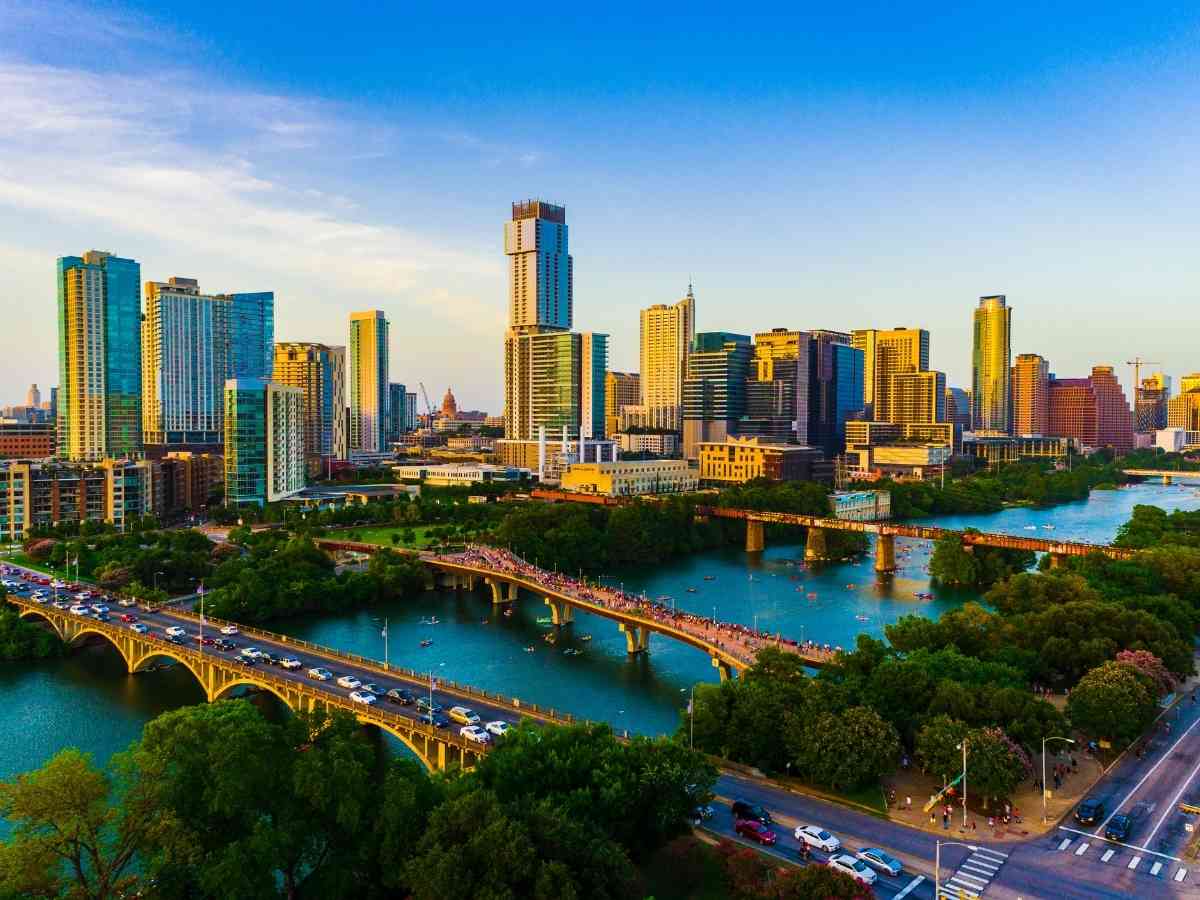
Thinking about making Austin, Texas your new home? You’re not alone. Every year, thousands of people pack up and head to the Lone Star State’s capital in search of better job opportunities, a thriving lifestyle, and vibrant culture. Austin has earned its place as one of the fastest-growing cities in the U.S., and it’s not hard to see why.
Whether you’re relocating for work, family, or just a fresh start, this guide covers all the essential information about moving to Austin—from the city’s unique vibe and job market to its schools, neighborhoods, and outdoor life. Let’s dive into what makes living in Austin so appealing and how to decide if it’s the right move for you.
The Vibe: Where Weird Meets Wonderful
Austin blends laid-back charm with cutting-edge innovation. It’s a tech hub with hippie roots, creating a one-of-a-kind atmosphere that attracts artists, coders, musicians, entrepreneurs, and everyone in between.
The city’s unofficial motto, “Keep Austin Weird,” captures the essence of its identity: fiercely local, proudly different, and unapologetically fun. Live music spills from bars, parks, and grocery stores alike. Street art is everywhere. And the people? Warm, creative, and community-minded. If you’re looking for a city with soul, Austin delivers.
Cost of Living in Austin
The cost of living in Austin is above the national average, mainly due to skyrocketing housing prices. Median home values continue to rise, especially in centrally located neighborhoods. Rent is also on the rise, though still more affordable than in places like San Francisco, Seattle, or New York.
However, Texas doesn’t have a state income tax, which helps balance out your monthly expenses. Groceries, healthcare, and transportation costs hover close to or slightly below national averages. More walkable neighborhoods and remote work options mean you can potentially cut back on commuting costs, too.
Pro Tip: If you’re moving from a high-cost metro area, you’ll likely find your money goes further—even with higher home prices.
Essential Tips for Moving to Austin
Best Neighborhoods in Austin for Newcomers
Austin offers a wide range of neighborhoods for every lifestyle and budget:
– Downtown Austin: Urban, walkable, and full of energy. Best for professionals and nightlife lovers.
– South Congress (SoCo) & South Austin: Artsy, quirky, and full of “Keep Austin Weird” charm.
– Mueller: A master-planned community with parks, trails, and family-friendly amenities.
– East Austin: Rapidly developing, diverse, and known for food trucks and cultural flair.
– Westlake Hills: Upscale, great schools, and scenic Hill Country views.
– Round Rock & Cedar Park: Suburban areas with more space, good schools, and lower home prices.
Education and Schools in Austin
Austin is home to several public school districts, the largest being Austin ISD, as well as Eanes ISD (one of Texas’ top-rated) and Round Rock ISD. Parents can also choose from a wide array of charter and private schools.
For higher education, The University of Texas at Austin is a nationally ranked research institution. You’ll also find St. Edward’s University, Huston-Tillotson University, and a robust community college network through Austin Community College.
The Austin Job Market
Austin’s economy is on fire. With major employers like Apple, Dell, Tesla, Oracle, and Google, the city continues to dominate in tech and innovation. But it’s not just about startups and software—healthcare, government, education, and creative industries also offer plenty of opportunities.
The unemployment rate in Austin is consistently lower than the national average, and many companies offer flexible or hybrid work models. If you’re in tech, healthcare, design, education, or clean energy, Austin is a great place to land.
Transportation: Getting Around in Austin
Austin traffic isn’t great, especially during rush hour. Public transportation is improving but still limited compared to larger cities.
– CapMetro offers bus and limited light rail service.
– Austin’s bike lanes and e-scooter availability are expanding.
– Many neighborhoods are becoming more walkable.
Still, most residents rely on a car. If you work remotely or live close to downtown, you’ll likely avoid the worst of it.
Outdoor Lifestyle: Sunshine and Scenic Spots
With over 300 sunny days a year, Austin is a dream for outdoor lovers. You’ll find trails, lakes, parks, and plenty of green space to stay active year-round.
Top outdoor spots in Austin:
– Lady Bird Lake Hike-and-Bike Trail
– Zilker Park
– Barton Springs Pool
– Barton Creek Greenbelt
– Mount Bonnell (for killer views)
Whether you’re into kayaking, mountain biking, paddle boarding, or just lounging in the sun, you’ll never run out of things to do.
Culture and Events: Sunshine and Scenic Sports
They don’t call it the Live Music Capital of the World for nothing. From local gigs to massive festivals, Austin’s cultural calendar is packed.
Must-attend annual events:
– SXSW (South by Southwest): Music, film, and tech innovation collide.
– Austin City Limits Music Festival (ACL): World-class music and chill vibes.
– Pecan Street Festival: A funky street fair with local artists and vendors.
– Trail of Lights: A magical winter tradition at Zilker Park.
Add in food trucks, craft beer, art galleries, and farmer’s markets, and it’s easy to see why so many people fall in love with Austin.
Related Resources:
– Top 10 Reasons to Move to Austin
– Cost of Living Comparison
– Best Austin Neighborhoods for Families
– Austin Job Market
– Outdoor Activities in Austin
– Cultural Events in Austin